Guides

The Guides

We are a small team of experienced mountain professionals who have chosen the Adirondacks as our home range. Collectively, we bring decades of guiding, instruction, and local knowledge to every day out.
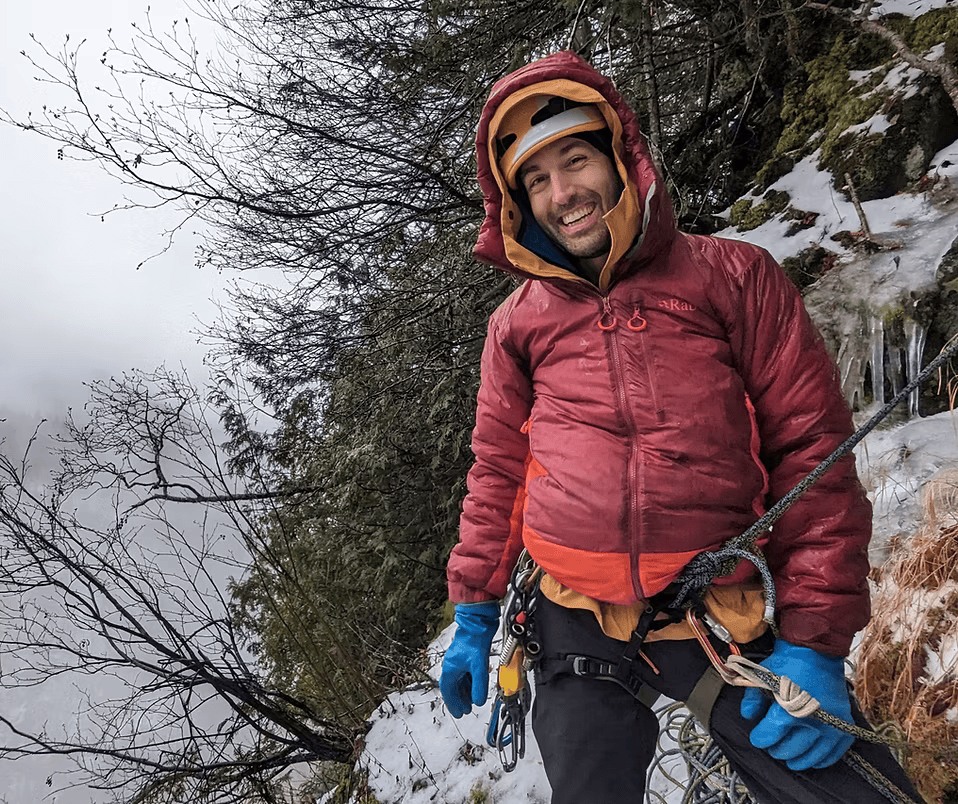
Mark Scott

Mark Scott

NYS Licensed Tier 1 Rock and Ice Climbing Guide Owner / Guide AMGA Certified Rock Instructor AMGA Certified Ice Instructor AMGA SPI Provider Wilderness First Responder

Mark grew up in the Champlain Valley of New York and started adventuring in the Adirondacks at a young age. After climbing and traveling in New Zealand, Peru, and throughout the American West, he settled in the Adirondacks to pursue the craft of mountain guiding and raise a family of his own.
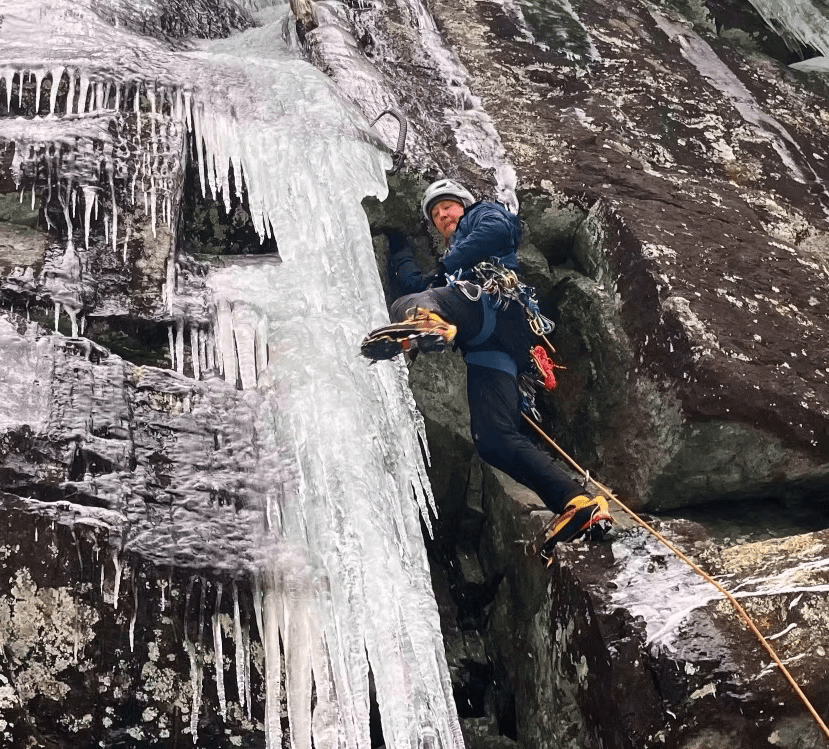
Will Roth

Will Roth

NYS Licensed Tier 1 Rock and Ice Climbing Guide Guide/Co-Owner AMGA Certified Rock Instructor AMGA Apprentice Alpine Guide Wilderness First Responder

Will grew up in Westchester County and found climbing through the Boy Scouts (he’s an Eagle Scout) and early instruction in the Adirondacks. Time in New Hampshire, the American West, and international ranges eventually led him to Keene Valley, where he has been a fixture in the local climbing and guiding community since 2005. A proud father and husband who is happy to now call Saranac Lake home.
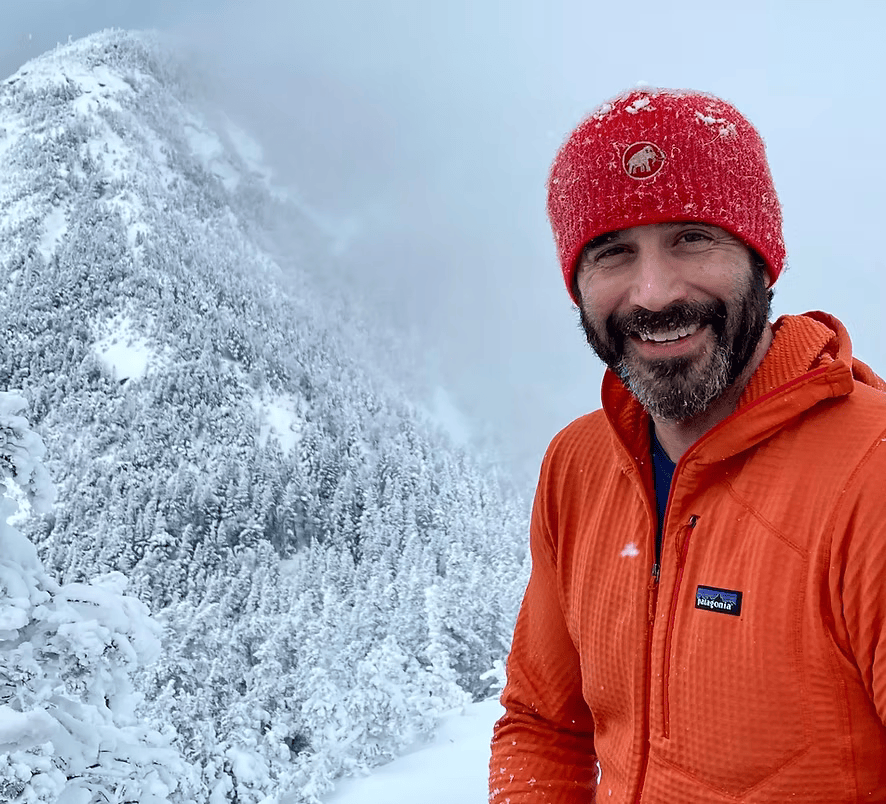
Matt Wiech

Matt Wiech

NYS Licensed Tier 1 Rock and Ice Climbing Guide Guide AMGA Certified Rock Instructor AMGA Ice Instructor Course Graduate Wilderness First Responder

Matt has been climbing for over 25 years and brings a broad background in rock, ice, alpine climbing, expeditions, and ski touring. In addition to guiding in the Adirondacks, he has coached competitive teams and traveled widely to climb and guide in the Cascades, Alaska, and Argentina.
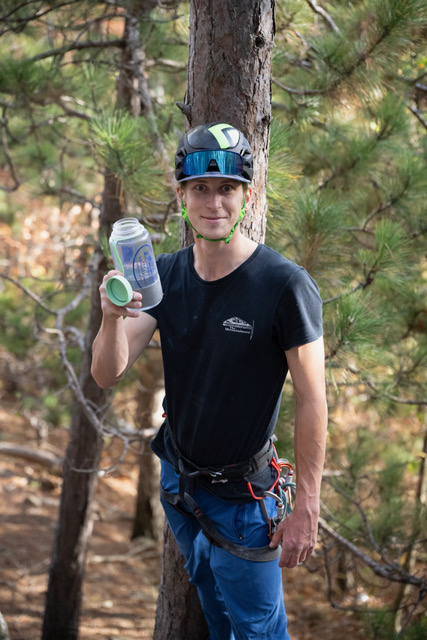
Jackson Deeney

Jackson Deeney

NYS Licensed Tier 1 Rock and Ice Climbing Guide Guide

Jackson grew up in Watertown, New York, where he developed an early passion for skiing at Dry Hill and made frequent trips to Lake Placid. In 2015, his family relocated to Lake Placid, where he attended Lake Placid High School and trained with the New York Ski Educational Foundation Freestyle Program.

After graduating, Jackson enrolled in SUNY Plattsburgh's Expeditionary Studies Program, where he expanded his skill set to include rock and ice climbing, whitewater kayaking, and backcountry skiing. Through this program, he gained invaluable mentorship that laid the foundation to recreate and operate as a professional in the outdoors.

Since graduating in 2023, Jackson has been actively involved in mentoring the next generation of freeskiers through NYSEF, while continuing to pursue climbing and skiing across a wide range of disciplines. He is passionate about sharing his love for the outdoors and helping others build confidence and competence in mountain environments.

With Support From

Meeting Location/Gear Room

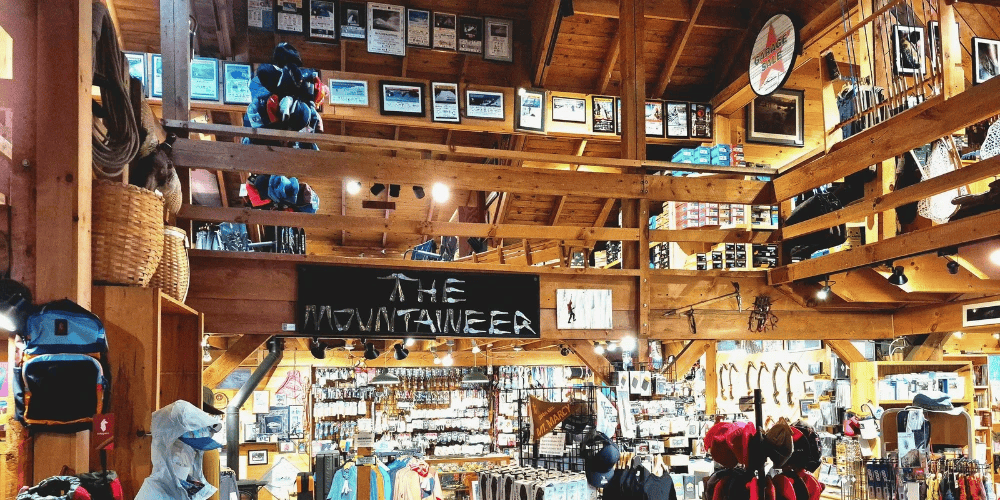
The Mountaineer, Keene Valley

GRMG is very fortunate to use The Mountaineer for the meeting and gear location for the majority of our outings.

Where We Meet

The Mountaineer, Keene Valley

For many guided days, this is the easiest place to meet, sort final details, and get organized before heading into the mountains. It also gives guests a familiar, central place to connect with their guide and coordinate any last gear needs.

If your outing uses a different trailhead or meeting location, your guide will let you know in advance. Otherwise, you can plan on The Mountaineer as the primary meeting and gear-room location for most outings.

Gear Lists

Gear Lists

Use the list that matches your season. Your guide will help refine objective-specific equipment before your day in the mountains.

Spring/Summer/Fall Rock Climbing & Hiking

Footwear & Clothing

  • Approach Shoes, Sneakers, or Light Hiking Boots — Closed-toe footwear only. Sandals, flip flops, Crocs, and other open-toed shoes are not appropriate.
  • Wool or Synthetic Socks — Best for comfort over long approaches.
  • Comfortable Clothing — Durable pants or shorts and a shirt that move well. Cotton is OK for most roadside climbing. Synthetic layers are essential for Backcountry days.
  • Rain Jacket and Extra Layer — Bring a shell jacket and fleece or synthetic insulating layer for changing mountain weather.
  • Sunglasses, Brimmed Hat, and Beanie for Spring/Fall — Sun protection and a warm hat for cooler shoulder-season outings.

Food & Hydration

  • Food & Snacks — A “brown bag” lunch and snacks are appropriate for most roadside climbing days. Easy to eat, high-calorie food and snacks are best for the Backcountry since most days do not include a long lunch stop. Easy to pack and quick to make, modern dehydrated meals are best for overnight dinners and breakfasts.
  • Water — 1 liter minimum for most roadside climbing is adequate. 2 liters minimum for backcountry day and overnights. Both hard sided bottles and collapsible bottles/hydration bladders are acceptable for 3-season use.

Personal Items

  • Sunscreen and SPF lip balm
  • Phone or compact camera
  • Small First Aid Kit — Bandaids, tape, ibuprofen, prescription medications.

Climbing Gear

  • Helmet — Must fit over hat. Can be borrowed.
  • Harness — Adjustable, fits over all layers except belay jacket. Can be borrowed.
  • Climbing Shoes — Comfortable for all day use. Can be borrowed.
  • Belay Device — With large locking carabiner. Can be borrowed.
  • Carabiners — 2 mid-size locking, 2 wire gate. Can be borrowed.

Backcountry Essentials

  • Headlamp — Bring extra batteries as well.
  • Rain Pants — Recommended for spring, summer, and fall objectives.

Overnight Gear

  • Sleeping Bag — Roughly 20-32 F for spring/summer/fall.
  • Sleeping Pad — Aim for an R-value in the 3-5 range.
  • Cup, Bowl, and Spoon — Keep it simple and easy to pack.

Shared Equipment

  • Your guide will provide a water filter for extended days and overnights. For most overnights your guide will provide the tent and stove.
  • Using your own equipment is always encouraged. We’ll go over group gear with you before heading into the backcountry.
Winter Climbing & Hiking

Footwear

  • Mountaineering Boots — Insulated single (e.g. La Sportiva Nepal Cube) or double boots (e.g. La Sportiva G2 EVO, Scarpa Phantom 6000) based on conditions. Mountaineering boots can be rented for $30 per day.
  • Merino Wool Socks — One extra pair for overnight days.
  • Liner Socks — Optional.

Clothing

  • Moisture Wicking Underwear — Athletic style. No cotton.
  • Base Layer Top & Bottom — Wool or synthetic. Weight varies with temperature.
  • Mid-layer Top — Grid fleece or similar, hooded preferred (e.g. Patagonia R1 Hoody).
  • Light Insulated Jacket — Synthetic fill preferred (e.g. Patagonia Nano Air).
  • Softshell Climbing Pants — Designed for winter use. Lightweight 3-season pants are not suitable.
  • Hardshell Pants — Side zippers to add over softshell without removing boots. No heavy insulated ski pants. Optional depending on objective, conditions, and if softshell pants are worn.
  • Softshell Jacket — Wind and light snow resistance, breathable for high-output activity. Optional depending on objective and conditions.
  • Hardshell Jacket — Wind and waterproof with hood. No heavy insulated ski jackets.
  • Belay Jacket — Very warm, hooded, fits over all layers (e.g. Patagonia DAS Parka, ME Citadel).
  • Synthetic Insulated Pants — Side zippers required. Optional depending on objective and conditions (e.g. Rab Photon Pant).

Face & Headwear

  • Warm Hat — Fits under climbing helmet. No cotton.
  • Neck Gaiter — Lightweight neck and face covering (e.g. Buff).
  • Sunglasses — Category 3 or 4 rated with case.
  • Ski Goggles — Fits over glasses if needed. Optional depending on objective.
  • Face Mask — Combined with hat and goggles, no exposed skin. Optional depending on objective (e.g. OuterU faceGlove).
  • Sun Hat — Cap or visor with brim.

Gloves

  • Lightweight Gloves — 1 pair, good dexterity (e.g. OR Vigor, OR Storm Tracker).
  • Mid Weight Gloves — 2 pairs, warmth and dexterity (e.g. OR Extravert, Rab Guide Glove).
  • Heavy Gloves / Mittens — 1 pair expedition weight. Warmth over dexterity. Optional depending on objective (e.g. OR Alti Mitt).

Climbing Gear

  • Helmet — Must fit over hat. Can be borrowed.
  • Harness — Adjustable, fits over all layers except belay jacket. Can be borrowed.
  • Belay Device — With large locking carabiner. Can be borrowed.
  • Carabiners — 2 mid-size locking, 2 wire gate. Can be borrowed.
  • Ice Axes — Choice depends on objective. Some routes require 2 tools or a technical piolet (e.g. Petzl SumTec). Can be borrowed.
  • Crampons — 12-point steel, adjusted to boots. 10-point or aluminum crampons are not adequate. Can be borrowed.
  • Snowshoes — Rugged style with robust bindings and good traction (e.g. MSR EVO Ascent). Can be borrowed.
  • Trekking Poles — 3-piece folding or collapsible with snow baskets.
  • Micro Spikes — For when snowshoes or crampons aren't appropriate.
  • Pack — 30-50L mountaineering pack. Must accommodate ice tools, snowshoes, and poles externally (e.g. Black Diamond Speed 40).

Food & Hydration

  • Food & Snacks — A “brown bag” lunch and snacks are appropriate for most roadside climbing days. Easy to eat, high-calorie food and snacks are best for the Backcountry since most days do not include a long lunch stop (e.g. bars, trail mix, jerky, meat and cheese, energy gels, etc.). Easy to pack and quick to make, modern dehydrated meals are best for overnight dinners and breakfasts.
  • Water — 1 liter minimum for most roadside climbing is adequate. 2 liters minimum for backcountry days and overnights. Hard sided bottles in insulated bottle parkas or insulated bottles are necessary for winter use. Soft white Nalgene bottles and collapsible bottles/hydration bladders are NOT acceptable for winter use.

Personal Items

  • Sunscreen and SPF lip balm
  • Phone or compact camera
  • Small First Aid Kit — Bandaids, tape, ibuprofen, prescription medications.

Backcountry Essentials

  • Headlamp — Bring extra batteries as well.

Overnight Gear

  • Sleeping Bag — Roughly -20-0 F for winter.
  • Sleeping Pad — Aim for an R-value in the 5-7 range.
  • Cup, Bowl, and Spoon — Keep it simple and easy to pack.

Shared Equipment

  • For most overnights your guide will provide the tent and stove.
  • Using your own equipment is always encouraged. We’ll go over group gear with you before heading into the backcountry.

Policies

Booking & Cancellation

What To Expect

Ice Conditions

Ice Conditions

Coming soon for ice season!

Seasonal Updates

Conditions reporting will be posted here.

Once winter settles in, this page will be the place to check for current ice-season notes, general route updates, and planning information.

Blog

Blog

The blog archive from the previous site is being moved over and will be published here as it is ported into the new layout.

Great Range Mountain Guides

Beam Me Up!

A look at one of Chapel Pond's excellent routes hiding in plain sight, with approach notes, pitch-by-pitch character, and why it has become a favorite line above the water.

Great Range Mountain Guides

Preparing for Ice Season

A practical preseason rundown on gear, headspace, and fitness for getting ready to start another Adirondack ice season on the right foot.